
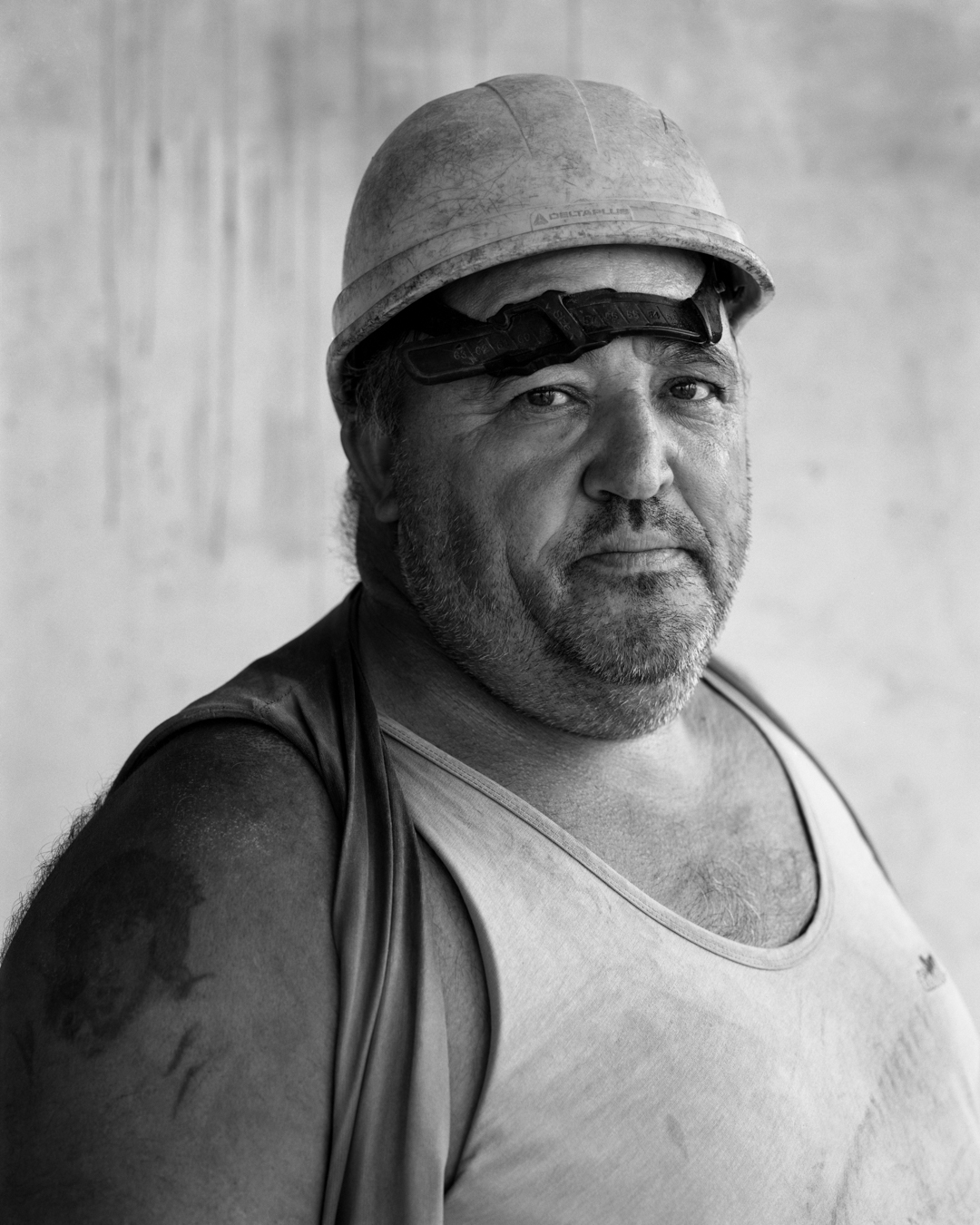

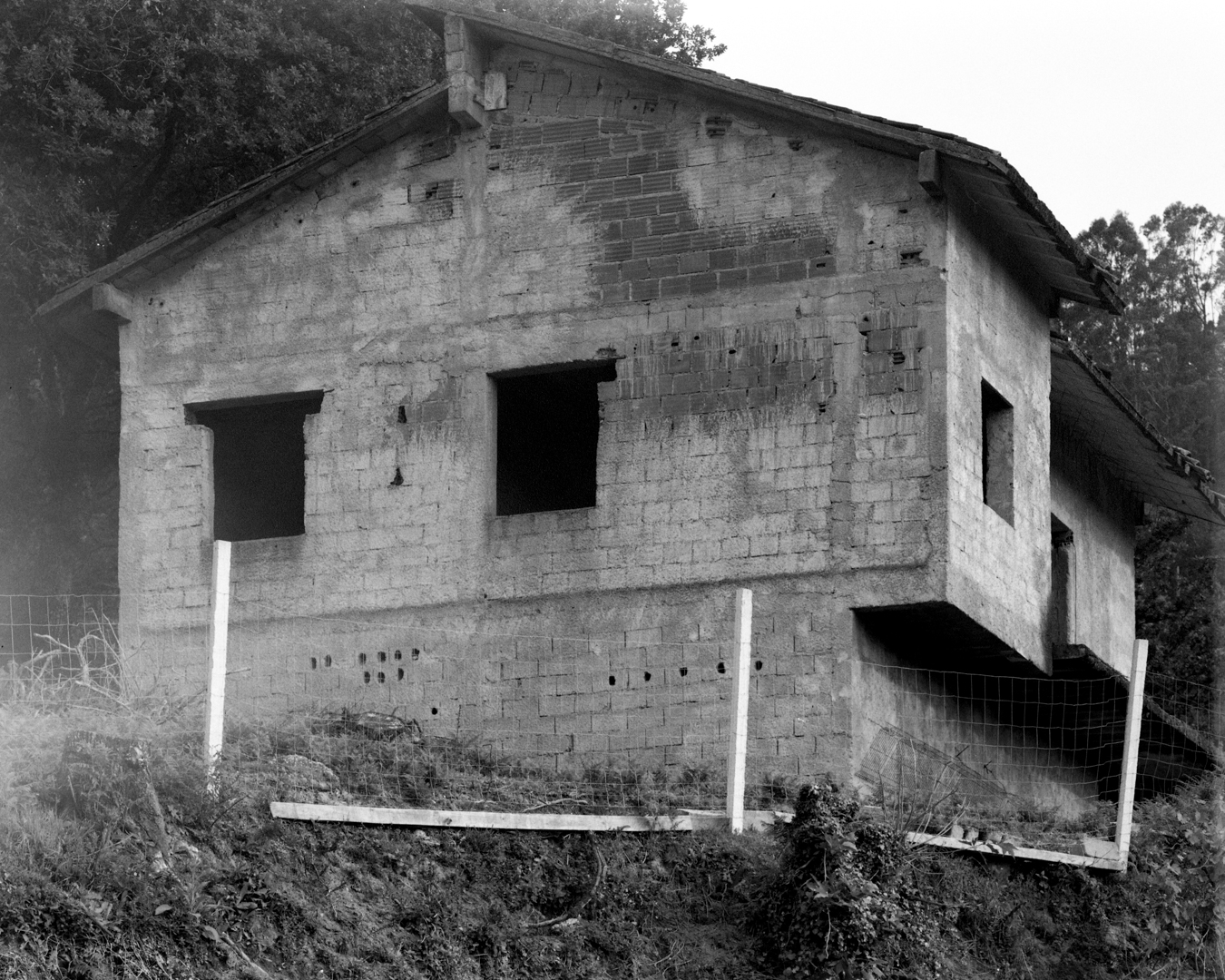


Since 2017 I began photographing the surrounding neighbourhoods on foot, sometimes alone, sometimes with friends, watching the changes unfolding there. Over time, this peregrinating affair became more methodical and structured — tracing bus lines, waterways, and highways from the interior heading to the coast, and using these routes as a framework for the work. Finding my own way into a territory where uneven demographic movements interplay, producing new spatial reconfigurations.
Porto, 2017–ongoing
Since 2017 I began photographing the surrounding neighbourhoods on foot, sometimes alone, sometimes with friends, watching the changes unfolding there. Over time, this peregrinating affair became more methodical and structured — tracing bus lines, waterways, and highways from the interior heading to the coast, and using these routes as a framework for the work. Finding my own way into a territory where uneven demographic movements interplay, producing new spatial reconfigurations.
Porto, 2017–ongoing
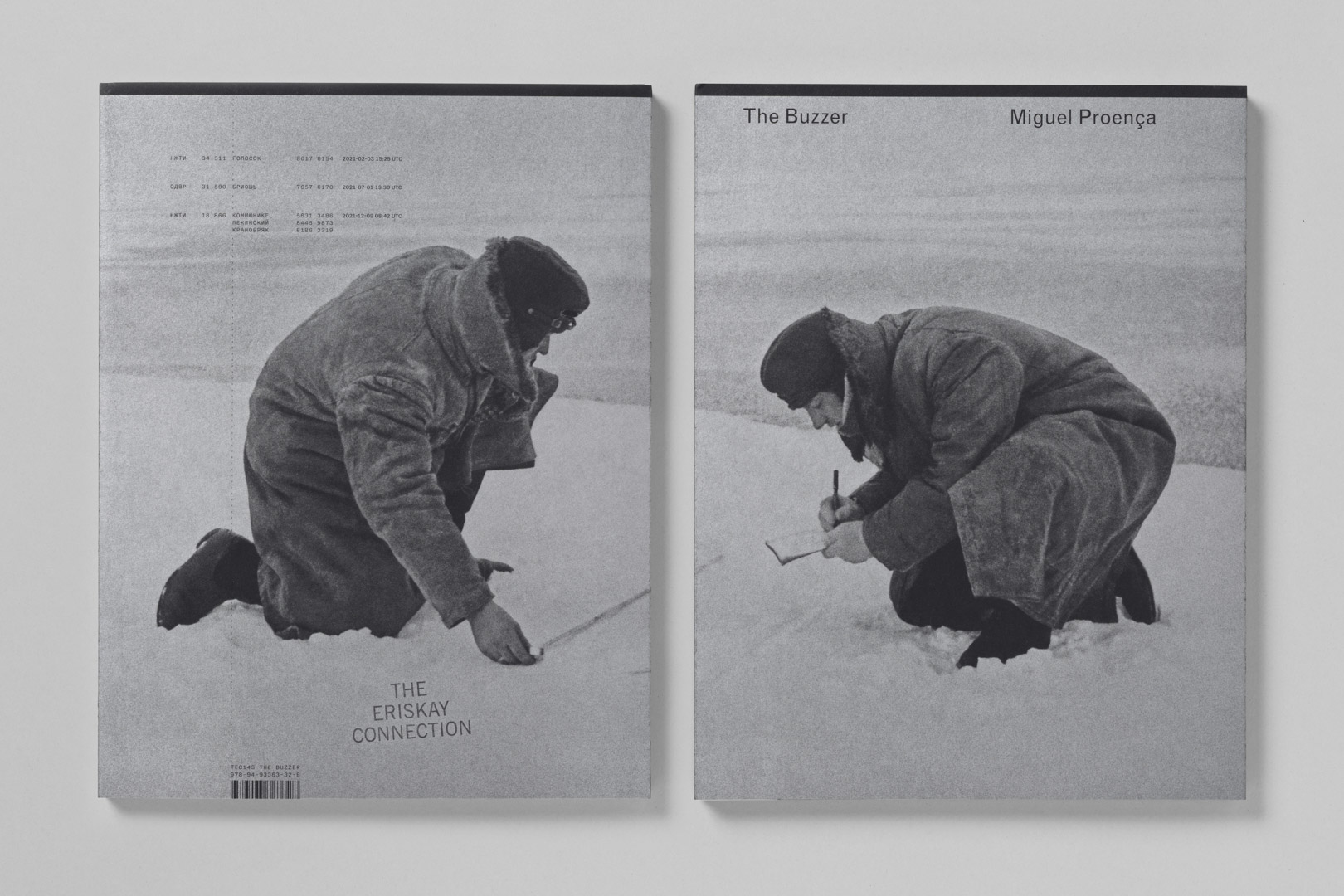
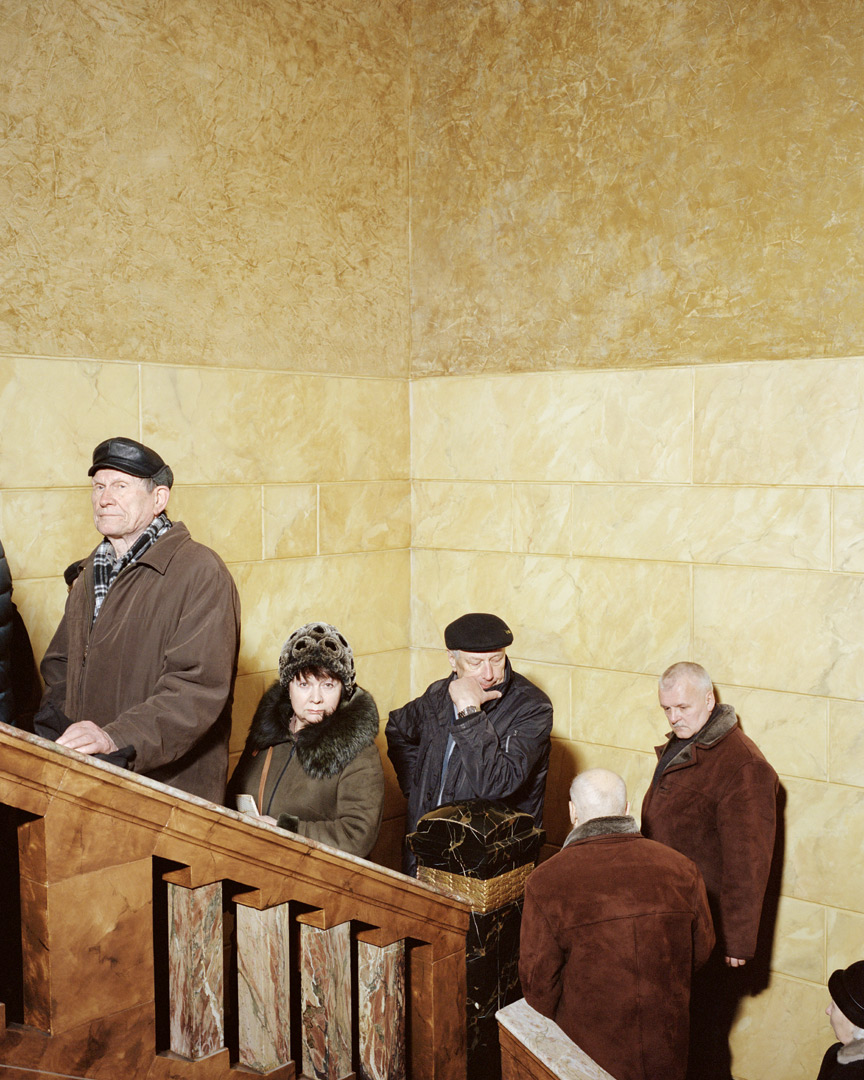
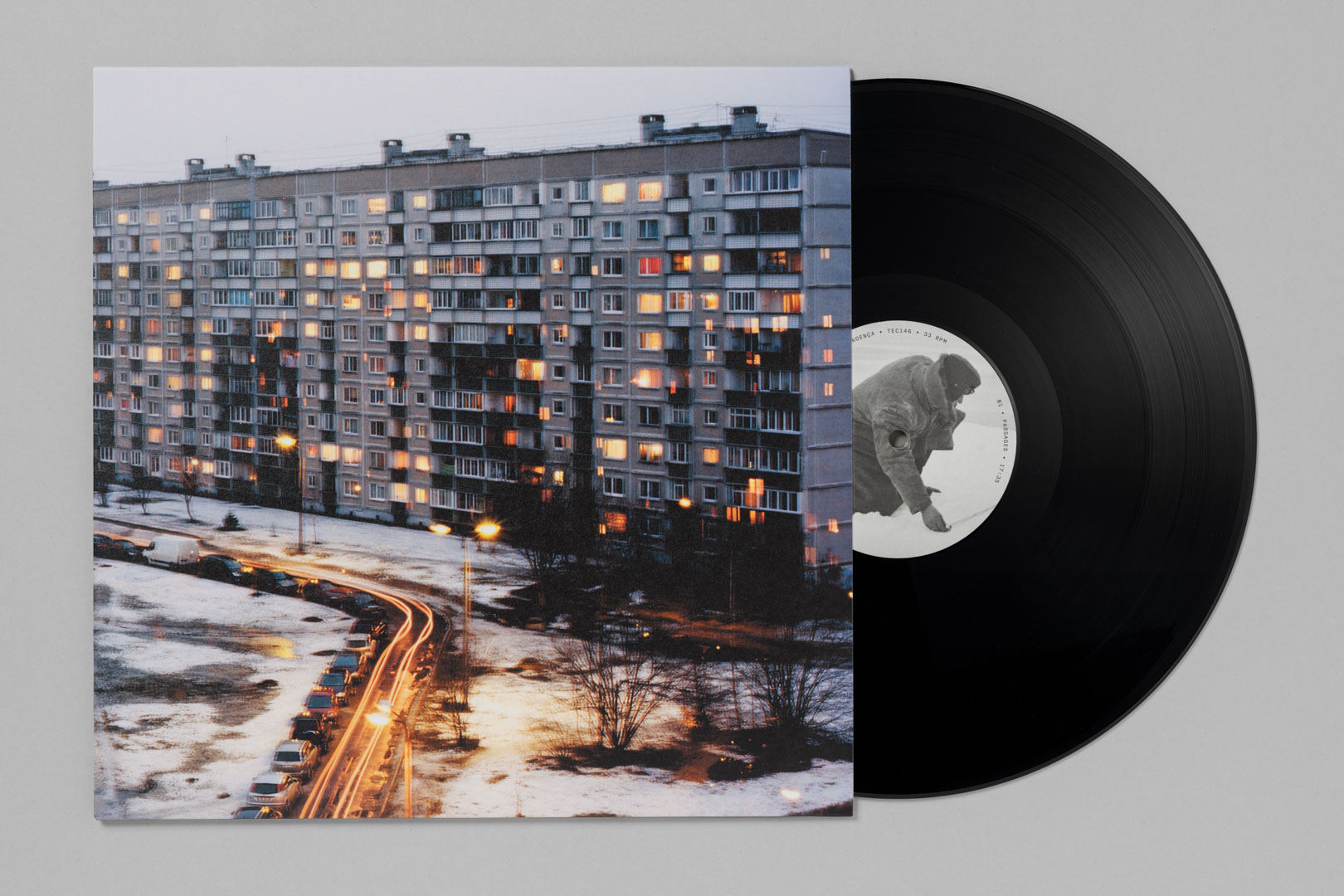
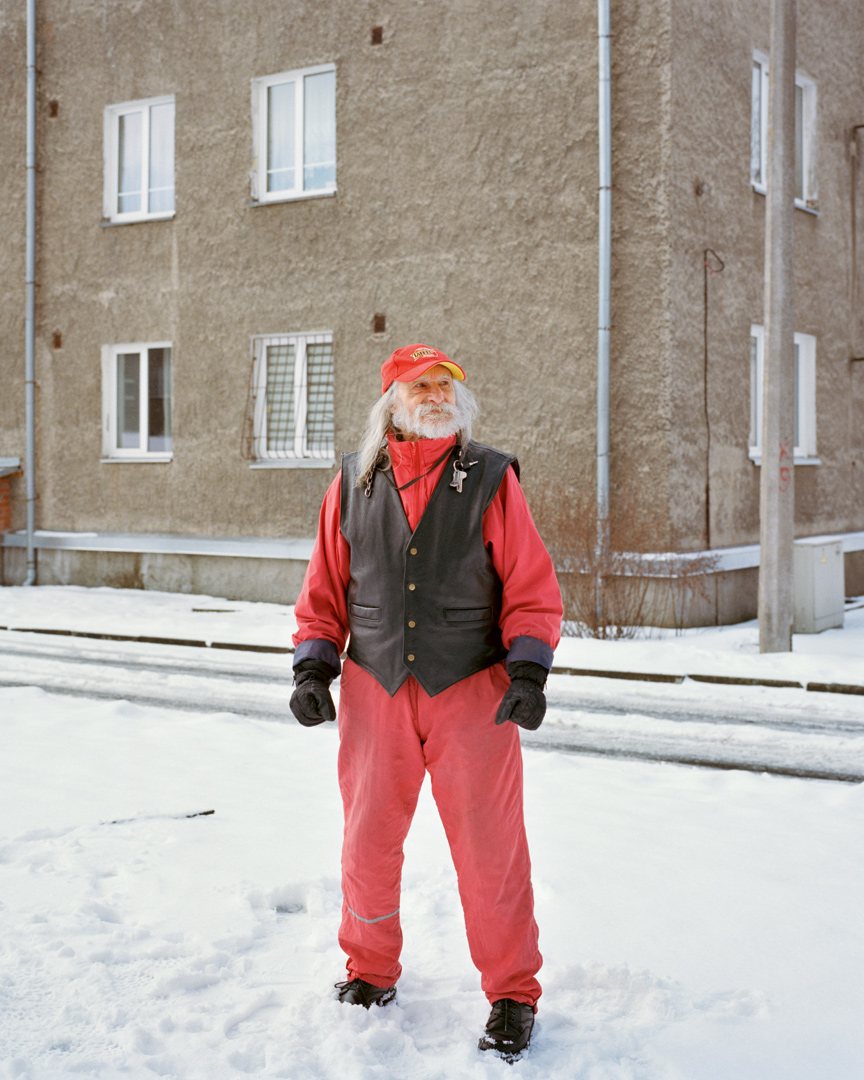
The Buzzer investigates the shifting identities and geopolitical fault lines of the post-Soviet space, focusing on the Baltic States and their complex relationship with Russia. Set primarily in Estonia, Latvia, Lithuania between 2016 and 2018, the project examines how historical rifts between Russia and the West continue to unfold today.
Through a combination of original photography, archival imagery, and extensive research, the work interrogates the transformation of these landscapes and societies under competing cultural and political influences. It documents military exercises, national celebrations, and everyday encounters across the region, while also delving into the parallel worlds of conspiracy, espionage, and echo chambers affecting public perception.
A key aspect of the project is the integration of archival materials—sourced primarily from The Estonian National Archives—which anchor the visual ambiguity running throughout the narrative. These images highlight waves of acculturation and resistance across decades, showing statues raised and toppled, borders drawn and erased. By juxtaposing them with contemporary imagery, the work raises questions about the legitimacy of competing historical narratives and the construction of national identity.
The title, The Buzzer, alludes to a mysterious shortwave radio signal presumed to be of Russian military origin—symbolic of the ghostly presence of a former empire and the unresolved tensions. The project situates the Baltic region as a geopolitical buffer zone, both historically and today. With references ranging from the medieval Battle on the Ice to present-day NATO operations, it explores how territories, myths, and power are contested and reshaped.
—
© The National Archives of Estonia/Rahvusarhiiv for the archival images
In 2019 the book dummy was shortlisted for the MACK First Book Award, Unseen Dummy Award and Fiebre Dummy Award, being exhibited at Photo London (UK), Unseen Amsterdam (NL) and Fiebre Photobook Festival (ES).
The Buzzer was published by The Eriskay Connection, 2025
2015–2019
The Buzzer investigates the shifting identities and geopolitical fault lines of the post-Soviet space, focusing on the Baltic States and their complex relationship with Russia. Set primarily in Estonia, Latvia, Lithuania between 2016 and 2018, the project examines how historical rifts between Russia and the West continue to unfold today.
Through a combination of original photography, archival imagery, and extensive research, the work interrogates the transformation of these landscapes and societies under competing cultural and political influences. It documents military exercises, national celebrations, and everyday encounters across the region, while also delving into the parallel worlds of conspiracy, espionage, and echo chambers affecting public perception.
A key aspect of the project is the integration of archival materials—sourced primarily from The Estonian National Archives—which anchor the visual ambiguity running throughout the narrative. These images highlight waves of acculturation and resistance across decades, showing statues raised and toppled, borders drawn and erased. By juxtaposing them with contemporary imagery, the work raises questions about the legitimacy of competing historical narratives and the construction of national identity.
The title, The Buzzer, alludes to a mysterious shortwave radio signal presumed to be of Russian military origin—symbolic of the ghostly presence of a former empire and the unresolved tensions. The project situates the Baltic region as a geopolitical buffer zone, both historically and today. With references ranging from the medieval Battle on the Ice to present-day NATO operations, it explores how territories, myths, and power are contested and reshaped.
—
© The National Archives of Estonia/Rahvusarhiiv for the archival images
In 2019 the book dummy was shortlisted for the MACK First Book Award, Unseen Dummy Award and Fiebre Dummy Award, being exhibited at Photo London (UK), Unseen Amsterdam (NL) and Fiebre Photobook Festival (ES).
The Buzzer was published by The Eriskay Connection, 2025
2015–2019
The birth of science was the death of superstition.
—Thomas Huxley (Darwin’s bulldog).
We always searched for answers.
Throughout history, through the ages, we have been continuously looking for ways to justify our existence, reasons to justify what our minds could not. Since ancient times, the idea of cosmos responded to the human need to rely on the order of nature and the world, that can link and put things in order. However, this concept evolved through different civilisations and eras, the dawn of monotheism gave ground to the divine.
Healers, men and women of faith, said to hold the cure for all ills, to have the answers to all concerns. Bearers of wisdom that ordinary mortals could envision without ever understanding. Today, they seem to have disappeared, driven into obscurity by the impetus of scientific progress, remain there, hidden from the gaze of modern world.
Behind the Hill documents the healer’s practice and its deep connection to the native landscapes and plant life of northeastern Portugal. In the physical and mystical realm, scenes often relate to nature and superstition. Proença catalogues rituals, artefacts, and performances linked to the land—overlooked by the western cumulative model of resource exploitation. The project points to the ongoing tension between technology and the natural world, it also explores humanity’s enduring quest for answers beyond purely an empirical framework.
—
The series was exhibited during The New Talent (TNT 2019) at The Photographers’ Gallery (UK).
2011–2019
The birth of science was the death of superstition.
—Thomas Huxley (Darwin’s bulldog).
We always searched for answers.
Throughout history, through the ages, we have been continuously looking for ways to justify our existence, reasons to justify what our minds could not. Since ancient times, the idea of cosmos responded to the human need to rely on the order of nature and the world, that can link and put things in order. However, this concept evolved through different civilisations and eras, the dawn of monotheism gave ground to the divine.
Healers, men and women of faith, said to hold the cure for all ills, to have the answers to all concerns. Bearers of wisdom that ordinary mortals could envision without ever understanding. Today, they seem to have disappeared, driven into obscurity by the impetus of scientific progress, remain there, hidden from the gaze of modern world.
Behind the Hill documents the healer’s practice and its deep connection to the native landscapes and plant life of northeastern Portugal. In the physical and mystical realm, scenes often relate to nature and superstition. Proença catalogues rituals, artefacts, and performances linked to the land—overlooked by the western cumulative model of resource exploitation. The project points to the ongoing tension between technology and the natural world, it also explores humanity’s enduring quest for answers beyond purely an empirical framework.
—
The series was exhibited during The New Talent (TNT 2019) at The Photographers’ Gallery (UK).
2011-2019
Portugal, 2013–
Portugal, 2013–
Cairo, 2011
Cairo, 2013